+51 984009025 +51 984009025
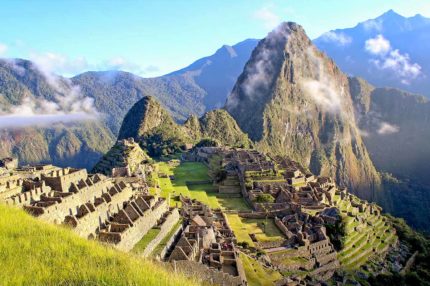
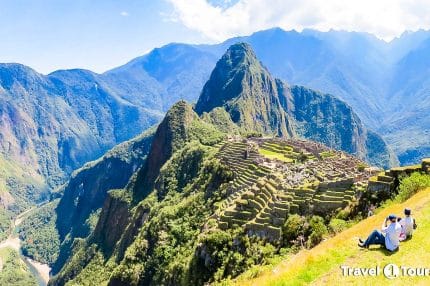
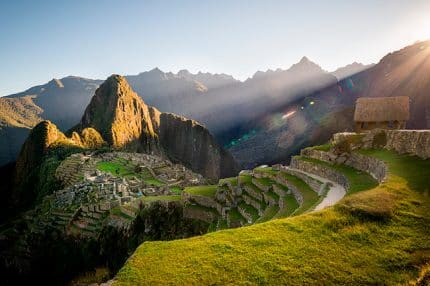
Machu Picchu is one of the New Seven Wonders of the Modern World and the most iconic destination in Peru. Built in the 15th century, this ancient Inca citadel showcases extraordinary engineering, sacred architecture, and breathtaking views over the Urubamba Valley. Today, Machu Picchu is considered a must-see landmark for travelers visiting South America.
This page is your practical Machu Picchu travel guide. You’ll find the essentials you need to plan your visit: what the name means, where it is located, altitude, weather by season, how to get there, what to see inside, and the best time of year to go. If you’re building an itinerary from Cusco, this guide will help you avoid common mistakes and travel more smoothly.
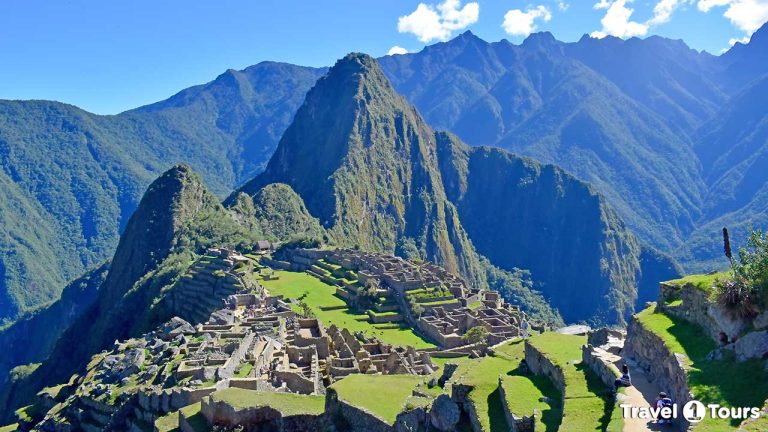
The name Machu Picchu comes from Quechua [mɑtʃu piktʃu]. Machu means “old” and Pikchu means “mountain”. That’s why Machu Picchu is commonly translated as “Old Mountain”.
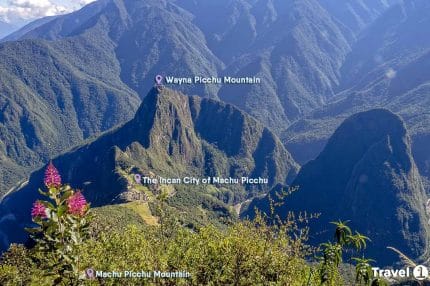
The Historic Sanctuary of Machupicchu is located in the Cusco Region of southern Peru, in the Urubamba Province, district of Machu Picchu. It lies approximately 112.5 km northeast of Cusco. The closest town is Aguas Calientes (also called Machu Picchu Pueblo), from where you take the shuttle bus to the entrance.
Approximate coordinates:
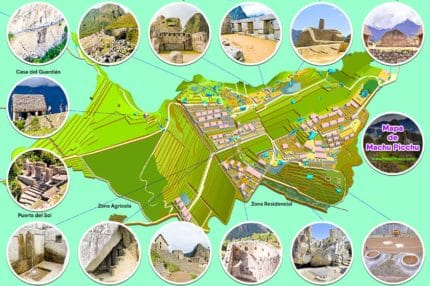
For a detailed map and orientation, see: Machu Picchu Map.
Machu Picchu sits at about 2,490 meters above sea level (7,972 ft). Because this altitude is lower than Cusco, most travelers don’t experience strong altitude symptoms inside the citadel. Still, it’s smart to acclimatize in Cusco or the Sacred Valley if you’re arriving from sea level.
Because Machu Picchu lies between the Andes and the upper Amazon rainforest, the Machu Picchu weather can change quickly. In general, there are two main seasons:
Typical temperatures range from 12 °C to 24 °C (54–75 °F), depending on time of day and season.
There are several ways to reach Machu Picchu. Most travelers combine ground transport from Cusco with the train or a trek. In general, you’ll choose between:
For full details on routes, time, and logistics, read: How to travel to Machu Picchu?
Machu Picchu’s story combines archaeology, colonial references, and ongoing research. Many studies summarize its past in three key stages:
Some 16th-century references suggest that the Inca Pachacutec ordered Machu Picchu to be built, possibly as a royal retreat. However, many scholars also consider it likely that the site functioned as a religious sanctuary and ceremonial center.
At its height, Machu Picchu may have housed between 300 and 1,000 people. During the years of Inca resistance to the Spanish invasion, it may have remained partially inhabited.
During colonial times, the area was placed under different haciendas. Dense vegetation gradually covered parts of the urban area, but agricultural terraces continued to be used by nearby farmers.
In 1902, Cusco explorers (including Agustín Lizárraga and others) reached Machu Picchu. In 1911, Hiram Bingham arrived while searching for Inca sites in the Vilcabamba region. He later organized expeditions supported by Yale University and the National Geographic Society, helping bring global attention to the sanctuary.
In 1983, UNESCO included Machu Picchu on its list of World Heritage Sites.
The citadel includes plazas, temples, stairways, terraces, fountains, and aqueducts. Like many major Inca urban centers, it is divided into two main areas: the agricultural zone and the urban zone.
This area is located mainly to the south and is formed by an extensive terrace system. The terraces prevent erosion, manage drainage, and provided agricultural space, while also shaping the mountain into one of the most striking landscapes in the Andes.
This is the northern section of the sanctuary, where residences and ceremonial structures are located. It is traditionally described in two sectors reflecting Andean duality:
Even though many people visit in one day, Machu Picchu has multiple viewpoints and surrounding attractions. Some of the most popular places include:
Full Day Machu Picchu — a different way to explore the Inca Citadel.
You can visit Machu Picchu year-round. However, most travelers prefer the dry season (April to November) for better chances of clear views. Keep in mind that these months are also the high tourist season, meaning more crowds and higher prices.
The rainy season (December to March) can be a great alternative if you want fewer visitors, but you should be prepared for rain and cloudy skies.
The total distance between Cusco and Machu Picchu is about 122 km, usually broken into three stages:
We also recommend our Machu Picchu packages.
Below you’ll find more related guides.