+51 984009025 +51 984009025
Cusco, Peru is more than a destination—it is the historical and cultural heart of the Andes and the main gateway to Machu Picchu and the Sacred Valley. If you are planning your first trip, this Cusco travel guide will help you make informed decisions about what to see, how to get there, how many days you need, how to handle the altitude, and when to travel.
Cusco combines living Inca history, dramatic Andean landscapes, and vibrant local culture. With good planning—especially during your first days at altitude—your experience in Cusco will be far more enjoyable.
Planning your trip? You can talk to a Cusco travel advisor on WhatsApp or explore our Cusco tour options.
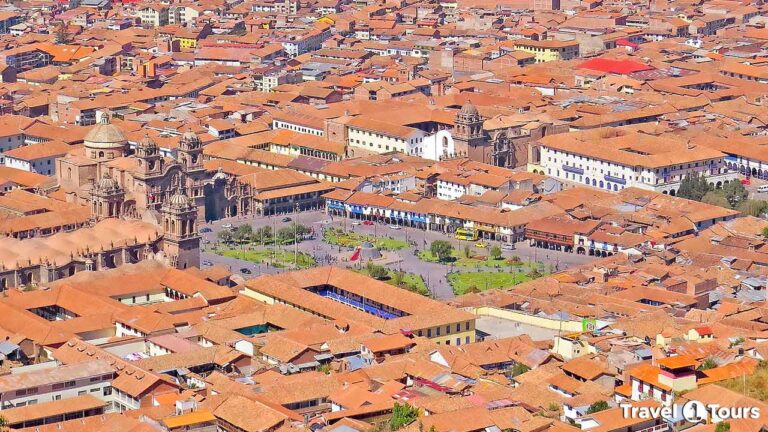
Cusco (also spelled Cuzco) comes from the Quechua word Qosqo, often translated as “navel” or “center of the world.” In Andean cosmology, Cusco represented the meeting point of the three worlds: Ukhu Pacha (inner world), Kay Pacha (earthly world), and Hanan Pacha (upper world).
Cusco is located in southeastern Peru, high in the Andes Mountains. The city lies at approximately 13°30′ south latitude and 71°58′ west longitude, making it one of the highest major cities in South America.
The wider Cusco Region extends from inter-Andean valleys into areas of high jungle, which explains the diversity of climates and landscapes found in the region.
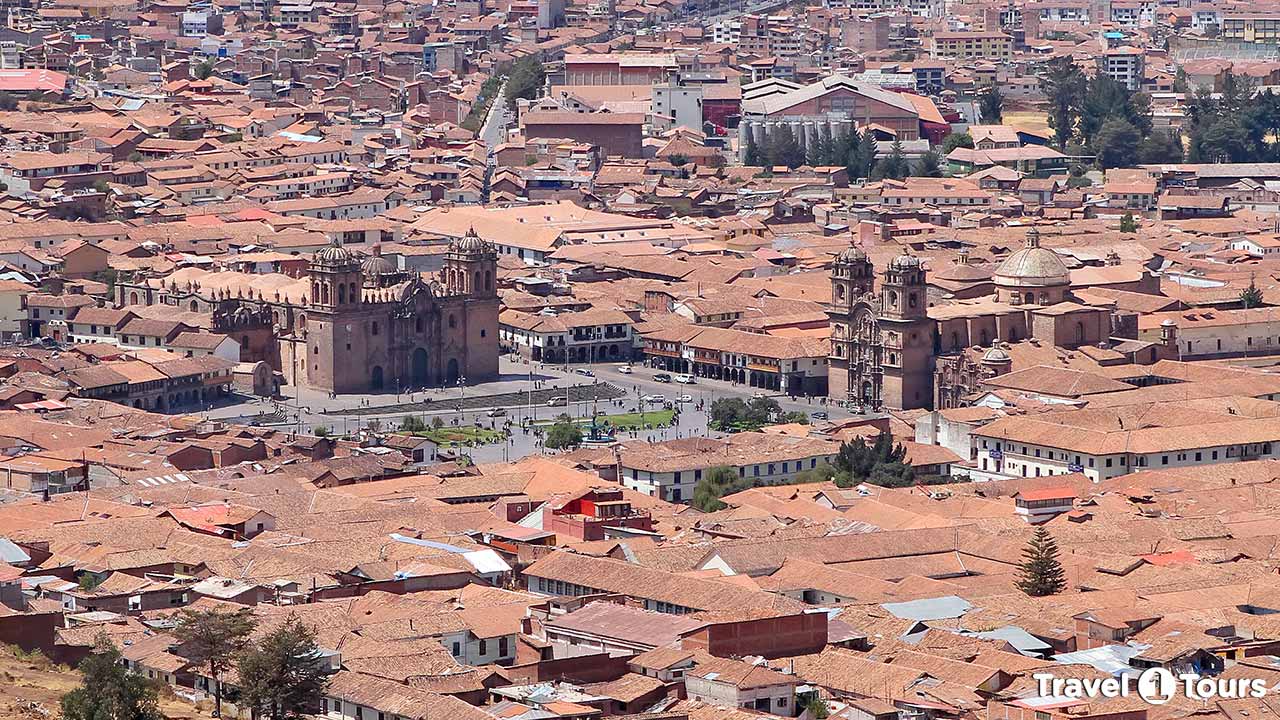
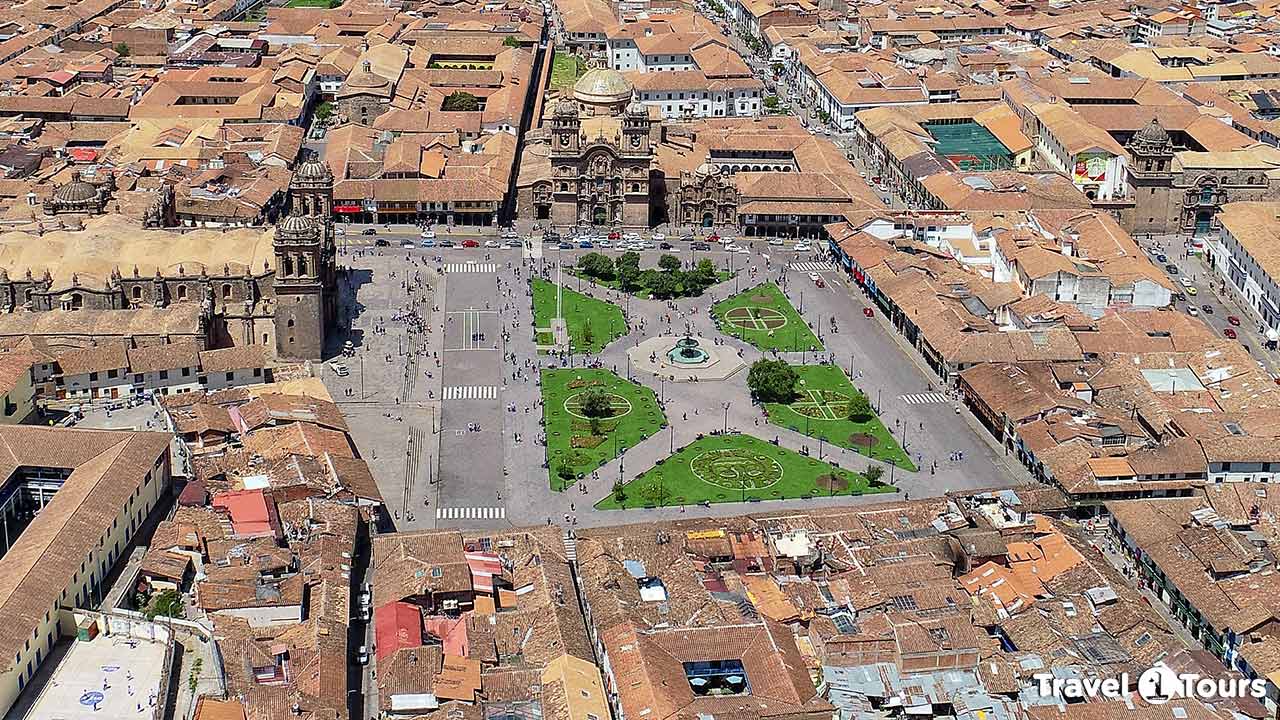
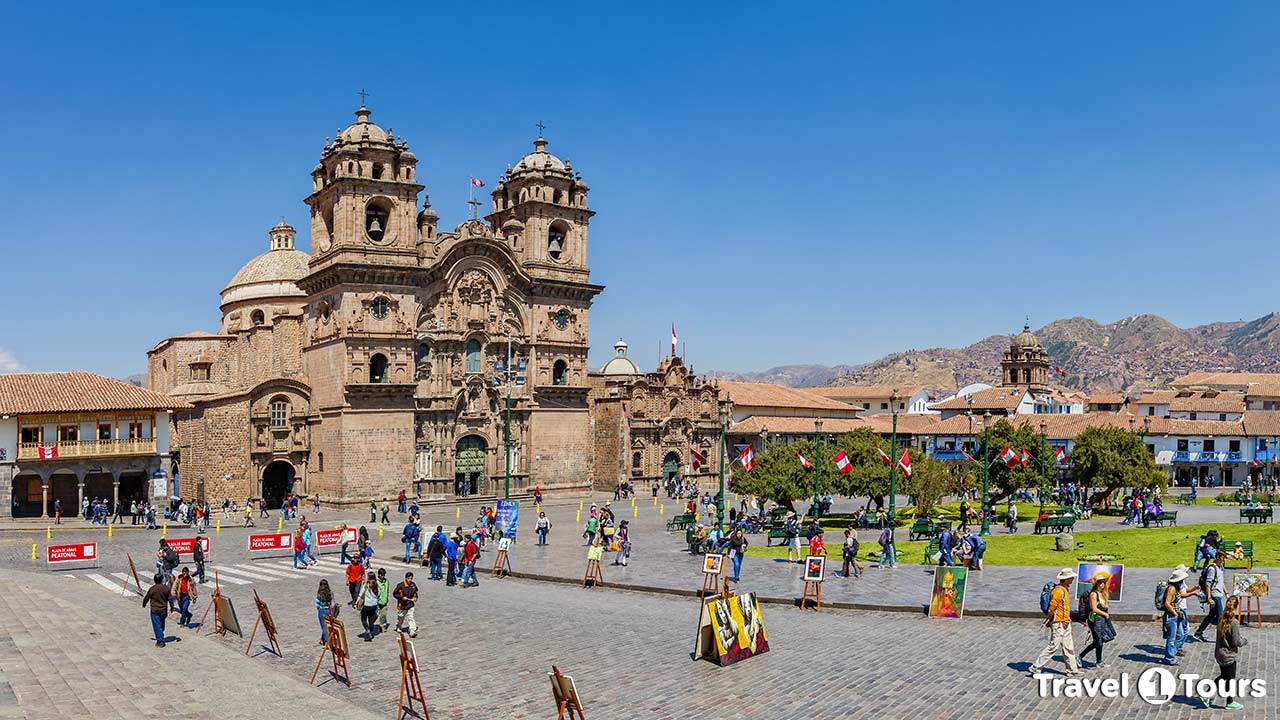
Cusco was the political and spiritual center of the Inca Empire (Tawantinsuyu). After the Spanish conquest, colonial buildings were constructed directly on top of Inca foundations, creating the unique architectural blend visible today in the Historic Center.
Walking through Cusco, you will see massive Inca stone walls, colonial churches, and living traditions that continue through festivals, markets, and daily life.
The most common way to reach Cusco is by plane from Lima. Overland routes are available from other Peruvian cities, but travel times are long. Train routes are mainly used for tourist connections toward Machu Picchu.
Bus travel to Cusco can take many hours but is an option if you want to explore Peru slowly. If your priority is maximizing time in Cusco, flying is usually the best choice.
For local excursions, see our tourist transportation in Cusco.
Cusco sits at 3,399 meters above sea level. Most travelers feel fine if they respect the altitude during their first 24–48 hours.
Cusco has two main seasons, and understanding them helps you choose the best travel dates.
Cusco offers attractions inside the city and world-famous excursions outside of it. For a detailed breakdown, see our guide to places to visit in Cusco.
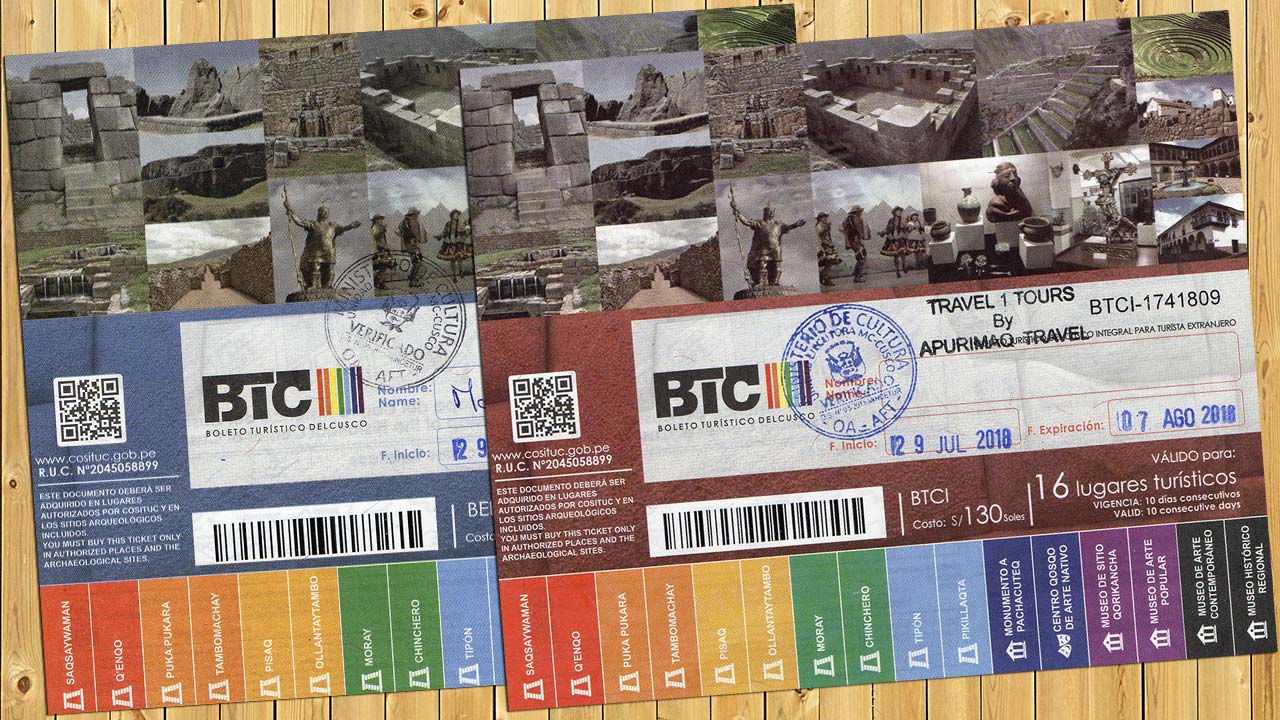
The Cusco Tourist Ticket allows entry to several archaeological sites and museums. It is not required for all attractions, but it can be cost-effective if you plan to visit multiple sites in a short time.
Seven days allows you to add challenging routes or travel at a relaxed pace.
Explore options here: Cusco tours and packages.
Is Cusco affected by altitude? Yes, but most travelers adapt well by taking the first day slowly.
What is Cusco’s latitude? Approximately 13°30′ south.
Where is Cuzco in Peru? In southeastern Peru, in the Andes Mountains.
Traveling to Cusco means walking through thousands of years of living history—take your time and let the Andes guide your pace.